
Magee RN Pay Data + Analysis
◼︎ THE BIG ISSUES
What we’ve learned about wages from negotiations...
Over the last few months, we have submitted multiple requests for information to UPMC corporate regarding our wages, recent raises, and other critical compensation data to inform our ongoing negotiations. Because of our status as a union, UPMC corporate was required by law to provide us with the information we requested.
Our analysis of the wage data shared with us by UPMC corporate confirms many of the issues we hear from our coworkers about compensation at Magee: mid-level career plateaus, inconsistencies across experience levels, salary caps for senior nurses, and a general lack of transparency around the current compensation and raise model.
We wanted to share some of the data with you to review for yourselves.
#1: Pay varies greatly – with no consistent relationship between a nurse’s wage and years of licensure, career ladder step, education level, specialty, or department.
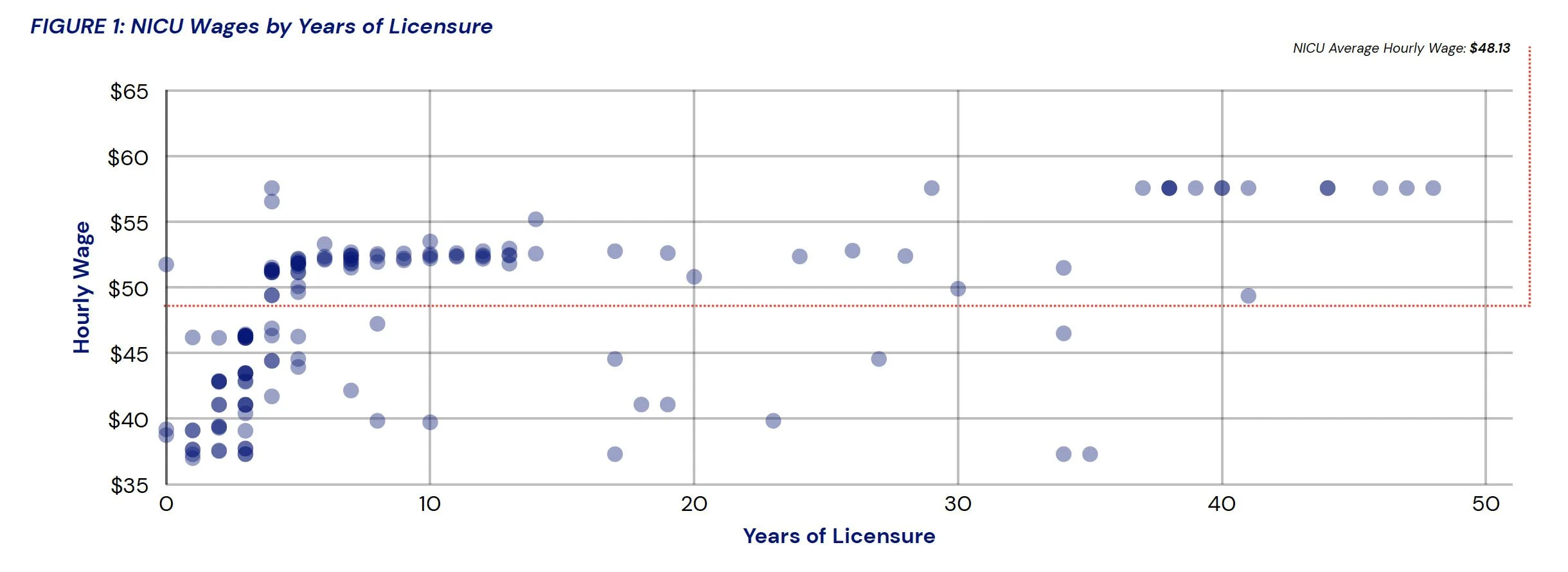
Figure 1 is an example of how wages break down for nurses in the same department – the NICU.
Nurses with the same years of licensure and even on the same step of the career ladder could be making completely different amounts, with wages varying by as much as $12.00 per hour.
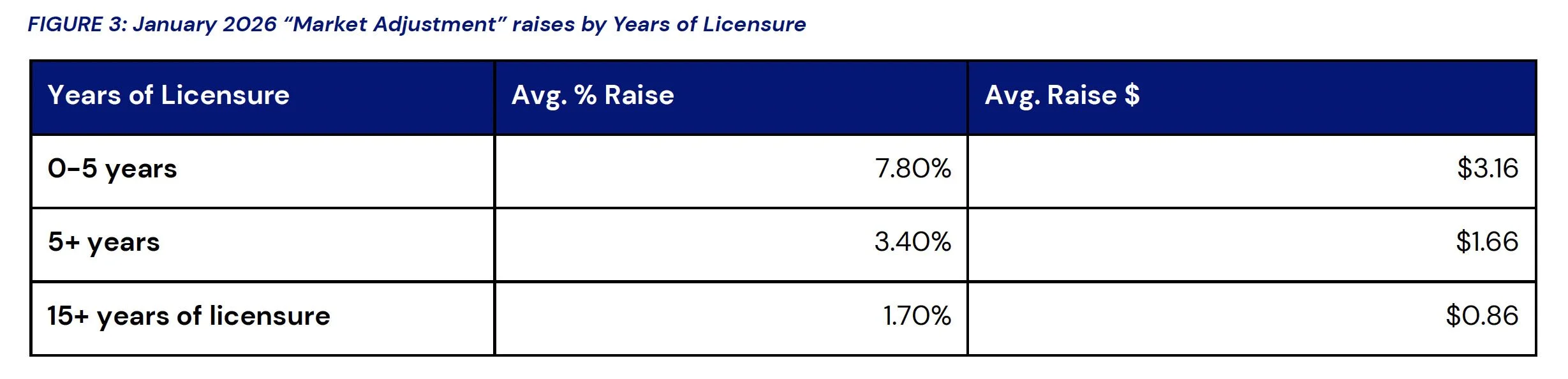
#2: A nurse can expect their wages to stagnate after the first few years of a career at Magee. The more experience you have, the smaller raises you can expect to receive.
Wages rise quickly in the first few years, but by year 5, the average nurse at Magee can expect to see the beginning of a plateau.
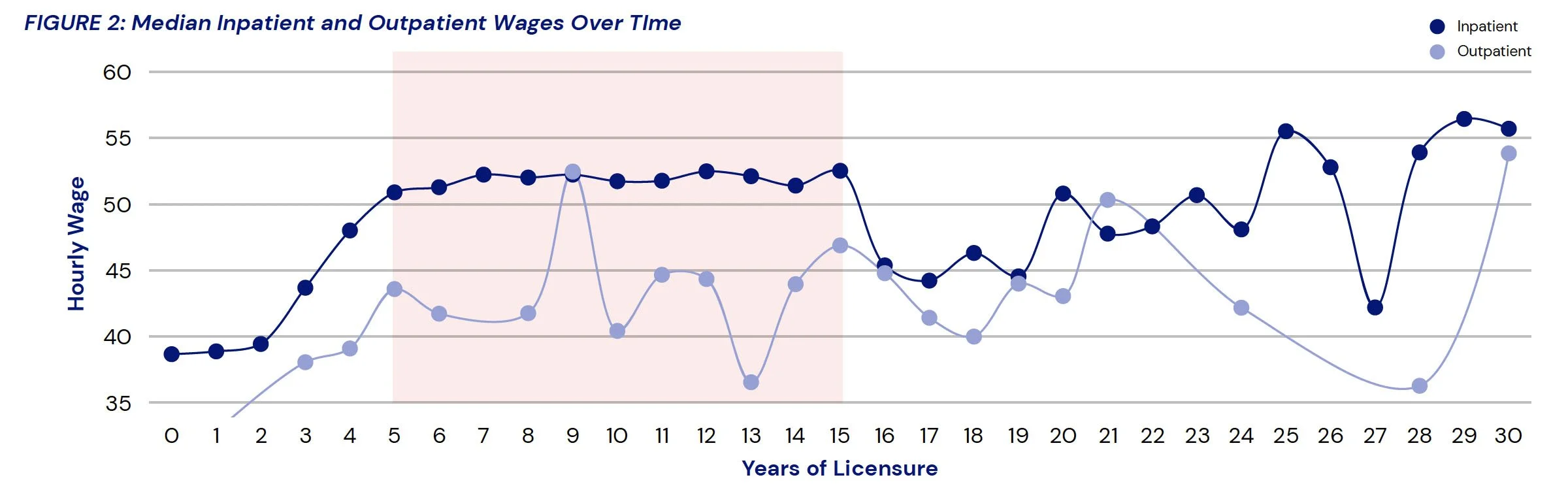
Why? Because raises, including market adjustments, diminish with experience.
After 10 years of licensure the average nurse at Magee can expect to see their wages stagnate.
At this point in their careers, nurses have often completed their clinical ladder and will usually take on important roles as mentors, preceptors, educators, and clinical instructors to support the next generation of nurses working and training at the hospital in addition to the time they spend at the bedside.
Instead of being compensated for their experience and the important role they’re playing in the hospital ecosystem, many senior nurses instead find their career stalling.
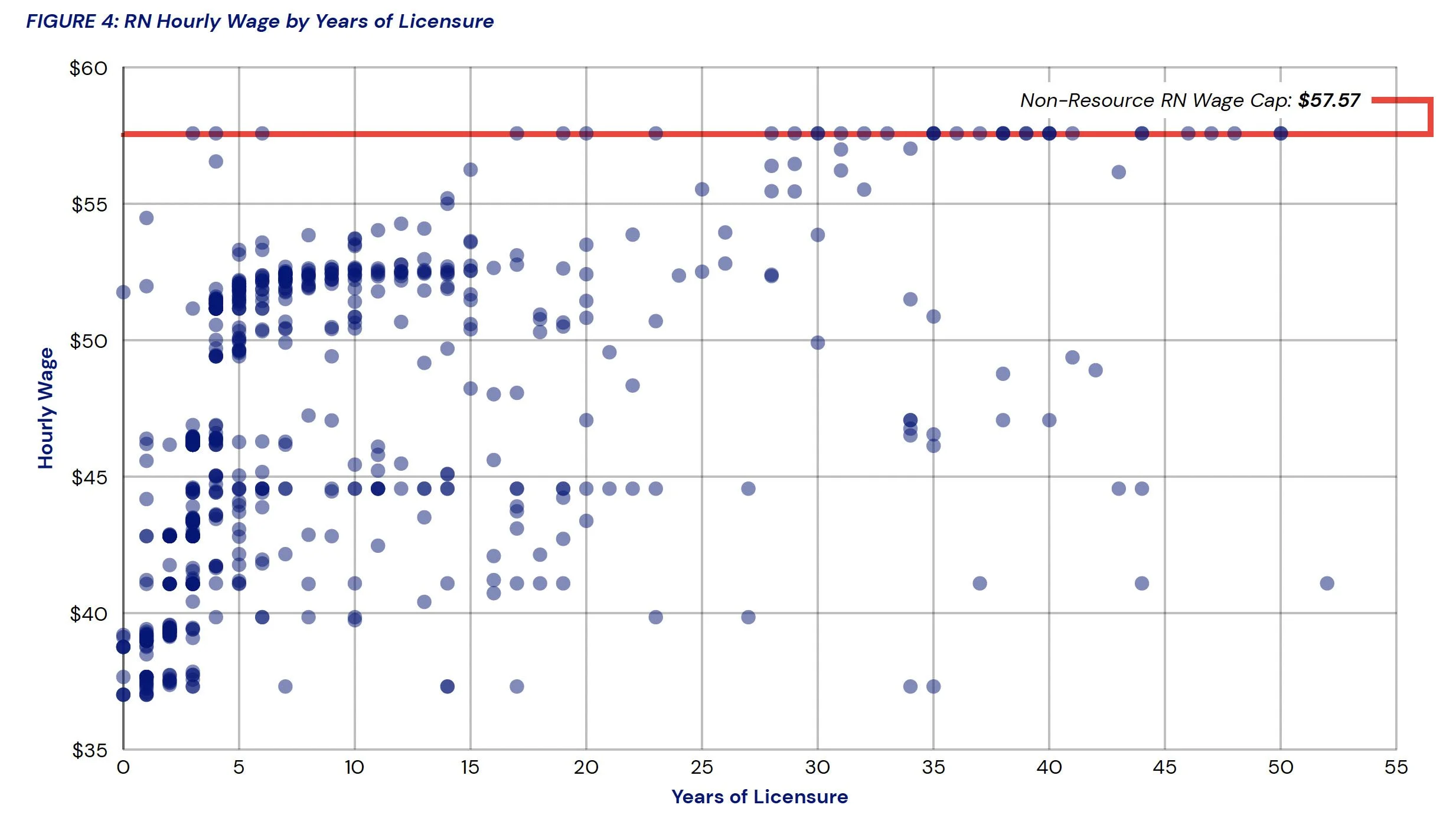
#3: There is a clear base wage cap at $57.57. Our most experienced nurses who have reached the cap can expect to see little to no wage growth at all.
Most nurses can expect to reach the cap around 25 YOL, however some nurses will “cap out” as early as 3 YOL while others with decades of experience may never reach the cap at all.
27% of nurses are at or within $5 per hour of the current cap.
UPMC has approached compensation this way for decades while instructing nurses to not discuss what we make. Now, we are pushing for a transparent approach to pay that truly invests in experience and elevates our profession.